

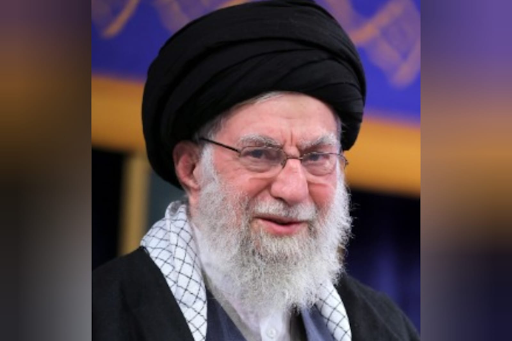
Following the death of Iran’s Supreme Leader in a high-stakes airstrike, a name once whispered in the halls of power is now at the center of global speculation: Mojtaba Khamenei. The late leader’s son is widely viewed as a potential successor, a move that would bring the Islamic Republic’s transition from a revolutionary movement to a dynastic power into sharp focus.
The political climate in Tehran is currently a mix of rigid order and underlying tension. While the IRGC has successfully locked down the capital, they cannot fully erase the memory of the widespread disillusionment that has plagued the regime. The accidental broadcast of anti-regime slogans just weeks ago remains a potent symbol of the challenges facing any new leader.
An interim council is currently performing the duties of the Supreme Leader, providing a temporary buffer for the Assembly of Experts. This body of senior clerics is tasked with finding a candidate who can command both religious authority and the loyalty of the military. Mojtaba’s candidacy is complicated by the very revolution his father helped lead, which sought to end hereditary rule in Iran.
The security forces’ massive presence in the streets suggests a government that is more afraid of its people than its foreign enemies. Reports of online celebrations following the news of the airstrike have only increased the state’s reliance on paramilitaries to maintain a facade of national grief.
Beyond the immediate succession, the world is focused on Iran’s nuclear future. The late leader’s religious opposition to nuclear weapons was a cornerstone of Iranian policy. If a new, more hardline leader—potentially backed by an emboldened IRGC—takes over, the religious barriers to weaponization may be dismantled, leading to a new era of regional escalation.
