

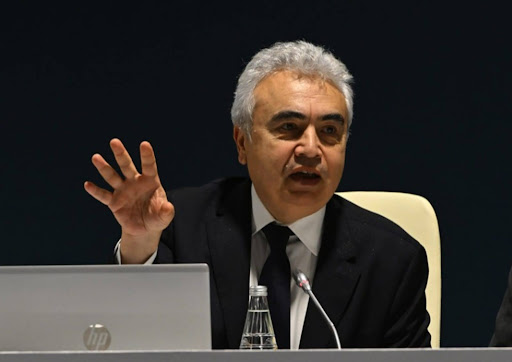
The world is effectively being asked to pay the economic bill of three separate energy crises simultaneously, according to Fatih Birol, the head of the International Energy Agency. In a frank assessment delivered in Canberra, Australia, Birol said the Iran war has created an energy emergency equivalent in force to the 1970s twin oil shocks and Russia’s gas disruption from the Ukraine invasion, all compressed into a single ongoing crisis. He warned that no country is positioned to absorb the cost of this triple shock on its own.
The war began on February 28 with US and Israeli strikes on Iran, quickly leading to the closure of the Strait of Hormuz to commercial shipping. Attacks on vessels in the strait cut off the flow of approximately 20 percent of global oil supply, triggering immediate shortfalls across multiple regions. Strikes on Gulf energy facilities have left at least 40 major assets severely or very severely damaged, making a quick supply recovery impossible.
Daily oil losses have reached 11 million barrels, compared to the combined 5 million barrels lost per day across the 1970s oil crises. Gas losses of 140 billion cubic metres have exceeded the 75 billion cubic metres removed from markets by the Ukraine conflict. Birol also highlighted disruptions to petrochemicals, fertilizers, sulfur, and helium as serious secondary consequences of the conflict.
The IEA responded with the largest emergency reserve release in its history — 400 million barrels of oil on March 11 — and recommended governments adopt demand-side measures such as remote work, lower highway speeds, and reduced commercial flights. Birol said discussions about further reserve deployments were ongoing and that only 20 percent of available stocks had been used so far. He warned that reserve releases, while important, are a temporary cushion rather than a solution.
Japan indicated potential participation in minesweeping operations if a ceasefire is reached. Iran threatened strikes on US and allied energy and water infrastructure in response to Trump’s ultimatum. Birol called for global unity, saying that no economy would emerge unscathed if the crisis was allowed to continue, and that the Hormuz strait’s reopening remained the world’s most urgent energy security priority.
