
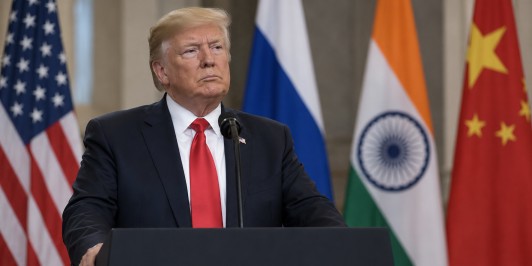
The potential imposition of high U.S. tariffs on countries importing Russian energy, notably India and China, could lead to significant economic repercussions for these nations. This move is part of a broader strategy by the United States to pressure Russia to cease its military actions in Ukraine.
Last week, President Donald Trump signed the Lindsey O. Graham Sanctioning Russia and Iran Act of 2026, which grants him the authority to levy tariffs of up to 100% on countries purchasing Russian oil and natural gas. This legislation targets the world’s five largest buyers of Russian energy, among which India and China are prominent. During his address at the United Nations General Assembly, Trump emphasized the strategic use of these tariff powers as a means to encourage Moscow to negotiate an end to the conflict in Ukraine.
The newly enacted law does not automatically enforce tariffs. Instead, it provides the President with the discretion to determine if and how they might be applied to specific nations. This leaves both India and China in a state of uncertainty regarding the potential economic impact, contingent on future decisions by the U.S. administration.
In addition to tariff measures, the sanctions law encompasses a range of penalties targeting Russian officials, financial institutions, and entities within the energy sector suspected of circumventing existing sanctions. This comprehensive approach aims to tighten the economic noose around Russia, forcing it to reconsider its position in the ongoing war.
Ukrainian President Volodymyr Zelenskyy has expressed support for the new sanctions, aligning with the broader international effort to pressure Russia into peace talks. The U.S. continues its diplomatic push, with the latest legislative measures reinforcing its stance against the Russian incursion.