

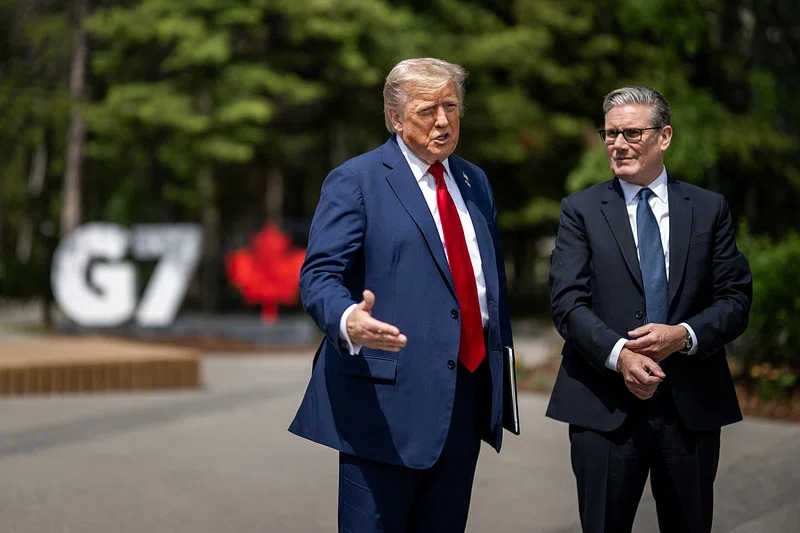
The special relationship between Britain and the United States has always been more sentiment than doctrine — a characterisation of a bilateral partnership built on shared history, common values, and mutual strategic interest. But sentiment has its limits, and the Iran conflict tested those limits in uncomfortable ways.
The relationship was built on the assumption that Britain would be there for the United States in moments of need — as it had been, in different ways, through the Second World War, the Cold War, and the post-Cold War interventions of the 1990s and 2000s. That assumption was challenged when Britain initially declined to support American operations against Iran.
The American president’s response — public, personal, and pointed — reflected genuine surprise as much as disappointment. The secretary of state’s remarks at an international conference reinforced the theme. Together, they amounted to a questioning of whether the special relationship retained its practical meaning, or whether it had become a sentiment without substance.
Britain’s eventual cooperation — limited in scope, framed as defensive, arrived after considerable diplomatic pressure — partially restored the operational dimension of the relationship. But the emotional and reputational dimension was harder to repair, and the president’s dismissal of the UK’s subsequent offer of assistance suggested it had not been fully repaired.
The question of what the special relationship actually means in the current era — and what each side genuinely expects from the other — was one that the Iran conflict had forced into the open. It was a conversation that was long overdue.
