
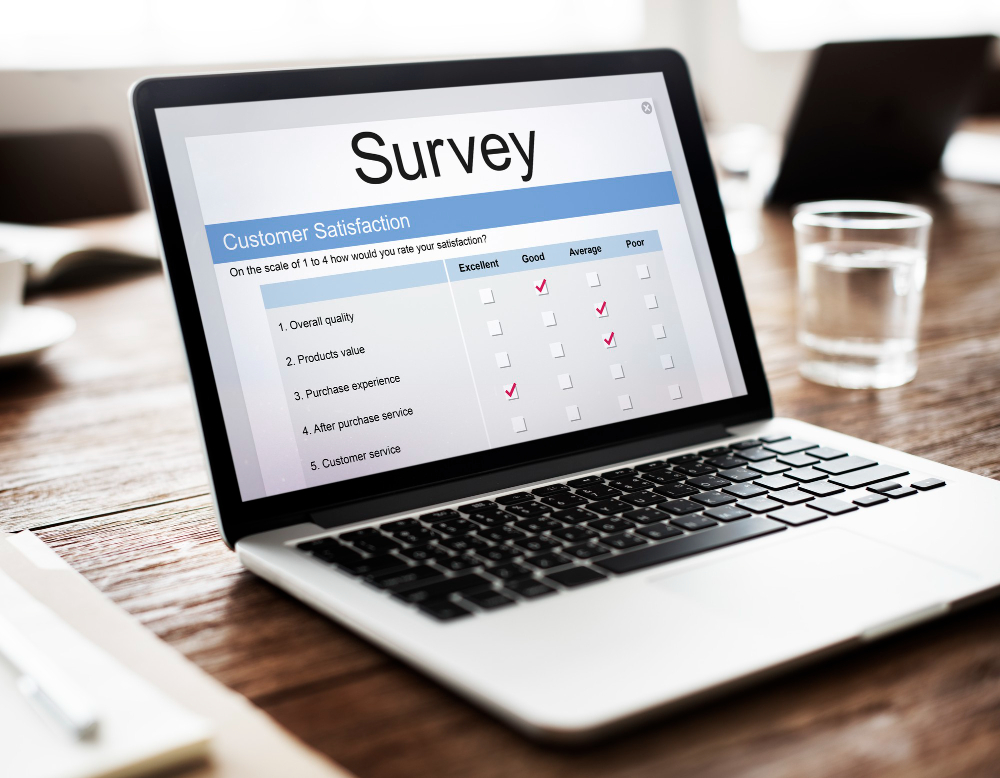
Consumer surveys have become an essential tool in market research, effectively transforming customer feedback into strategic insights. These surveys, conducted in various formats such as digital, telephonic, and face-to-face, are vital for understanding consumer satisfaction, brand perception, and purchasing intentions, among other metrics. In a country like India, where a significant percentage of new FMCG products fail within two years, surveys play a crucial role in reducing the risks associated with new product launches and in refining brand positioning. By offering empirical data, they help distinguish successful concepts from costly assumptions, ensuring that brands remain aligned with changing consumer expectations through continuous feedback loops.
There are several methodologies for conducting consumer surveys, each tailored to different market tiers and connectivity levels in India. Online surveys, ideal for Tier-1 cities, offer fast and cost-effective insights, while mobile app-based surveys capture on-the-go consumer behavior in both Tier-1 and Tier-2 markets. Telephonic interviews, conducted in regional languages, are more effective in Tier-2 and some Tier-3 cities, whereas face-to-face surveys are indispensable for rural areas due to literacy and trust considerations. Hybrid approaches combining multiple methodologies ensure comprehensive national coverage, optimizing costs and resources.
Consumer surveys support various applications, including customer satisfaction tracking, brand health monitoring, and market entry feasibility studies. They are pivotal in mapping customer journeys, testing product concepts, and analyzing post-purchase experiences across both B2C and B2B sectors. The insights drawn from these surveys guide critical business decisions, from product pricing to market expansion strategies, by validating hypotheses and identifying unmet consumer needs. Moreover, these surveys are instrumental in measuring the ROI of marketing campaigns and innovations, ensuring that brands remain competitive and consumer-focused.
India’s diverse market landscape necessitates a tier-wise approach to survey execution. In Tier-1 cities, digital-first strategies using online panels and WhatsApp-led studies offer quick and reliable results. Tier-2 cities benefit from a hybrid model of telephonic and face-to-face interviews, while rural India relies on in-person interactions facilitated by local enumerators. This tier-specific execution, aligned with the New Consumer Classification System (NCCS), ensures that surveys accurately reflect the socio-economic mix of the target geography. The rigorous process of conducting these surveys involves several steps, from defining objectives and designing questionnaires to executing fieldwork and analyzing data.
As consumer research evolves, trends such as AI-powered survey design and vernacular voice-AI surveys are reshaping the field, particularly in unlocking responses from low-literacy rural populations. The integration of real-time sentiment analysis and conversational chatbots is becoming more prevalent, enhancing the depth and immediacy of consumer insights. The implementation of the Digital Personal Data Protection Act 2023 underscores the importance of ethical considerations in survey execution, ensuring that data is collected and stored responsibly. Ultimately, consumer surveys convert subjective opinions into actionable data, driving measurable business growth and strategic advantage in competitive markets.