
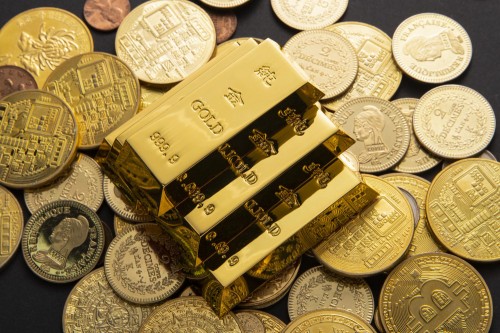
Gold prices faced a decline this week, reflecting the market’s reaction to the uncertain progress in US-Iran negotiations aimed at resolving the broader Middle East conflict. Trading near $4,450 per ounce, gold was poised for a weekly decrease of roughly 2%. The mixed signals from both negotiating parties have left investors wary, as US officials suggested that the peace talks were nearing conclusion, while Iranian representatives indicated a lack of significant progress.
Now in its fourth month, the conflict has severely impacted crucial energy routes through the Strait of Hormuz, leading to increased oil prices and renewed global inflation worries. These inflationary pressures have heightened expectations that central banks might maintain or even raise interest rates, which diminishes the appeal of non-yielding assets like gold. Analysts have observed that gold has struggled to gain traction, trading within a narrow band after earlier sharp declines in the conflict’s wake.
The metal’s current valuation remains well below pre-conflict levels, highlighting a decrease in demand for traditional safe-haven assets, despite persistent geopolitical risks. Other precious metals have also seen declines, while currency markets have shown relative stability, signaling mixed investor strategies amid global uncertainties.
Experts predict that gold’s future trajectory will largely depend on the evolution of geopolitical tensions. Should these tensions escalate, or conversely, if diplomatic efforts result in energy market stabilization and adjusted inflation expectations, gold’s appeal could shift accordingly.