
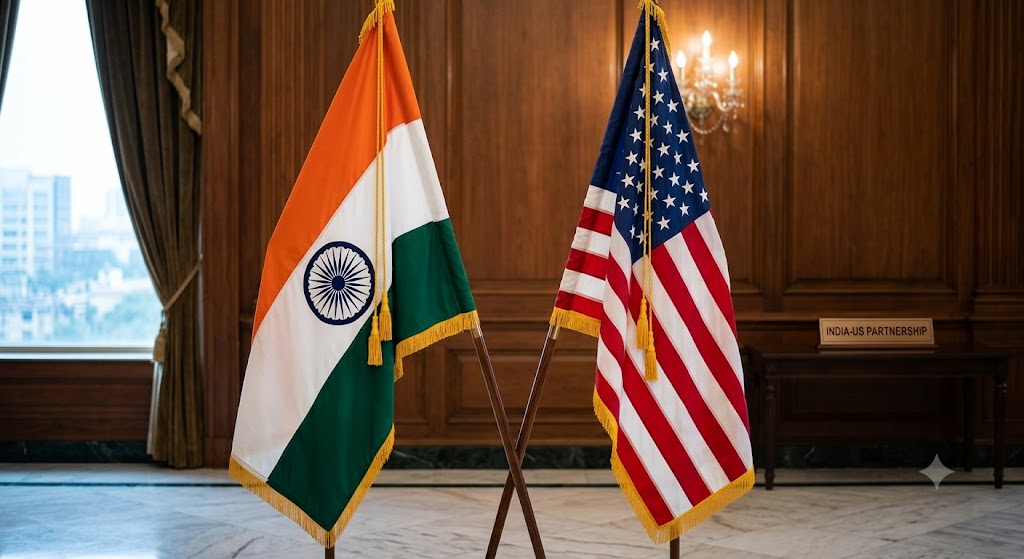
India and the United States are back at the negotiating table, working towards finalizing an interim trade agreement as they strive to iron out critical differences before a looming tariff deadline. The recent discussions zeroed in on clearing the remaining hurdles to a bilateral trade pact, with both nations expressing cautious optimism. Officials have indicated that after months of back-and-forth, only a few sticking points persist.
The trade talks initially set an ambitious target to boost bilateral commerce beyond $500 billion by 2030. Nonetheless, the dialogue faced setbacks when the US imposed fresh tariffs on Indian goods, significantly increasing duties on various products. An earlier framework had intended to reduce tariffs on Indian exports, but legal challenges within the US stalled its rollout.
Under the proposed agreement, India would lower tariffs on certain American industrial and agricultural products, while the US would reciprocate by reducing duties on Indian goods. Nevertheless, sectors such as dairy, wheat, rice, and poultry remain safeguarded due to domestic sensitivities.
Agriculture remains a significant point of contention in the negotiations. The US is pushing for greater access for its farm exports, whereas India is treading cautiously, concerned about the impact on local farmers and regulatory issues surrounding food.
Reaching a successful agreement could enhance trade relations, bolster India’s stance against competing exporters, and support the shared objective of deepening economic ties between the two countries.