
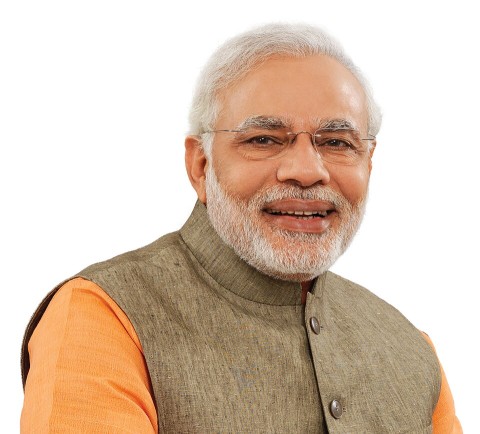
In a high-level meeting centered on governance reforms, energy security, and India’s long-term development goals, Prime Minister Narendra Modi issued significant directives to Union ministers. The session, lasting over four hours, addressed the global energy landscape and the potential repercussions of disturbances in the Strait of Hormuz, a vital artery for worldwide oil supplies, amid economic pressures from the ongoing US-Iran conflict.
Modi emphasized the need for faster governance and the reduction of bureaucratic delays, urging ministers to expedite decision-making processes and simplify procedures. He called for transparent systems to enhance the “ease of living” for citizens and stressed the importance of swift implementation of central government schemes, particularly in states lagging in project progress.
Amid the tensions in West Asia impacting global fuel supplies, the Prime Minister highlighted the necessity for preparedness against possible disruptions in crude oil, gas, and fertilizer imports. India’s heavy reliance on energy shipments through the Strait of Hormuz makes this a critical economic concern. Modi encouraged the exploration of alternative energy sources, such as renewable energy and biogas, to lessen dependency on imported fuels. The government is also advocating for austerity measures and fiscal discipline to mitigate the economic effects of energy uncertainties, as rising global crude prices have already led to increases in petrol, diesel, and LPG prices in the country.
Reaffirming his commitment to the vision of “Viksit Bharat 2047,” Modi urged ministers to perceive this goal of transforming India into a developed nation by 2047 as a national mission rather than a mere slogan. He called for a focus on next-generation reforms and the enhancement of welfare program delivery to ensure maximum citizen benefit. The meeting featured presentations by External Affairs Minister S. Jaishankar, Cabinet Secretary T. V. Somanathan, and NITI Aayog member Rajiv Gauba, who discussed governance, foreign policy, and the implementation of flagship schemes.
The discussions took place against the backdrop of mounting political pressure due to inflation, fuel prices, and the broader economic impacts of the instability in West Asia, underscoring the urgency of the issues addressed during this critical assembly.