
Prime Minister Narendra Modi has announced a significant legislative advancement with the passage of the Public Examinations (Prevention of Unfair Means) Amendment Bill, 2026. Taking to social media, Modi shared a selfie-style video where he emphasized the bill’s importance in ensuring the integrity of India’s examination system. The Prime Minister pledged to take stringent actions against the so-called “paper mafia,” who are often implicated in examination paper leaks.
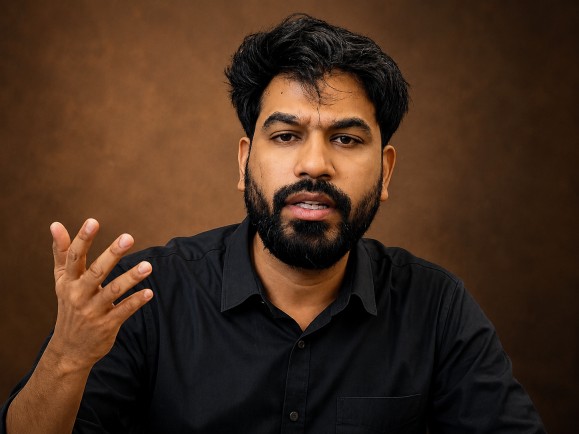
The announcement, however, was met with criticism from Abhijeet Dipke, the founder of the Cockroach Janta Party (CJP). Dipke took to social media to express his disapproval, mocking Modi’s appearance in the video and questioning whether mere legislative measures would be effective in curbing the persistent issue of exam paper leaks. Dipke’s criticism underscores a broader debate about the best approach to securing the credibility of the examination process in the country.
The Cockroach Janta Party has been vocal about its concerns regarding the newly passed bill. The party argues that the legislation places undue emphasis on punishing offenders without addressing the root causes of paper leaks. According to the CJP, this approach may not be sufficient to prevent future incidents. The party advocates for comprehensive reforms that focus on prevention over punishment, suggesting that fundamental changes are necessary within the examination administration.
Key among the CJP’s recommendations are structural reforms aimed at enhancing the transparency and accountability of the examination process. They have also called for significant changes to the National Testing Agency (NTA), which is responsible for overseeing the conduct of various exams. These suggestions reflect a call for a more robust and transparent system that can effectively deter misconduct while promoting fairness and integrity in public examinations.
As the debate continues, the passage of the Public Examinations (Prevention of Unfair Means) Amendment Bill, 2026, marks a critical moment in the ongoing efforts to safeguard India’s educational assessments. While the government’s commitment to addressing these issues is evident, the divergent views expressed by political entities like the CJP highlight the complexities involved in reforming the examination landscape. The coming months will likely see further discussions and potentially additional measures to ensure a more secure and credible examination system.