

Oil at $91 a barrel may be just the beginning of an energy price spiral, analysts are warning, as the Iran conflict creates conditions that could push crude to $150 and leave Gulf energy infrastructure offline for months. The more than 25% weekly surge in Brent crude — the biggest since the Covid-19 pandemic — has been dramatic, but the underlying dynamics driving it suggest that the worst may still be ahead.
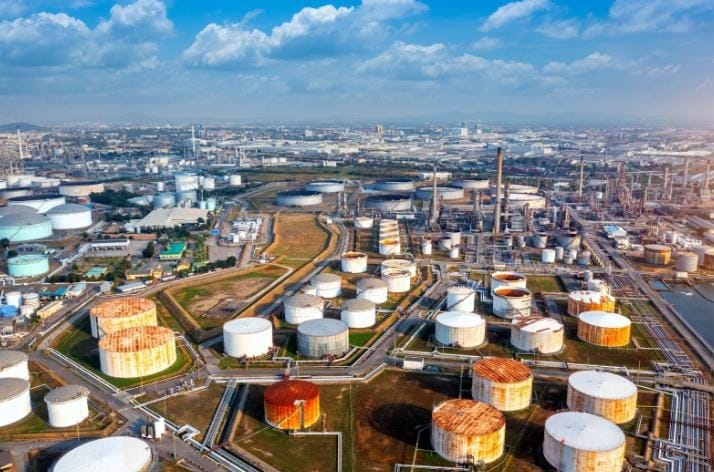
The key concern is the storage crisis building across the Gulf. Kuwait has already cut production at fields that have run out of room for their output, and energy consultants estimate Saudi Arabia and the UAE face the same problem within 20 days. Should those major producers halt output, the world’s oil supply would face a shock without modern precedent. And restarting halted production typically takes weeks — meaning the supply impact would outlast any diplomatic resolution.
Qatar’s energy minister has provided a concrete number for the worst case: $150 per barrel, reached within weeks if all Gulf exporters halt production. The minister’s warning is grounded in the physical realities of the storage crisis, not geopolitical speculation. Qatar itself has already suffered significant infrastructure damage from a drone strike on a key LNG terminal, with exports expected to be offline for weeks or months.
The shipping dimension of the crisis shows no sign of easing. Iran’s Revolutionary Guard continues to threaten western tankers in the Strait of Hormuz, and nine vessels have already been struck since the conflict began. The Trump administration’s military escort offer has failed to restore confidence, and the practical reality is that the world’s most critical energy shipping route remains effectively closed to normal commercial traffic.
Financial markets are beginning to price in the possibility that $91 is indeed just the start. Bond yields have surged to levels associated with past economic crises, rate cut expectations have collapsed, and stocks have fallen sharply globally. Airlines have issued warnings that suggest they are preparing for a prolonged period of elevated fuel costs. For investors and policymakers alike, the question is no longer just how high oil will go this week — it is how high it will go before the crisis is resolved.
