
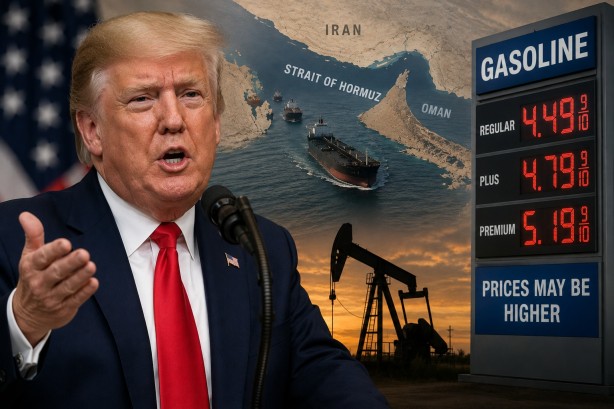
President Donald Trump has called on Americans to endure slightly elevated gasoline prices amidst the ongoing tensions with Iran, which have led to disruptions in the Strait of Hormuz, a critical maritime passage. Addressing supporters at a New York rally, Trump framed the potential increase as a necessary sacrifice to prevent Iran from advancing its nuclear ambitions. He further suggested the possibility of declaring the strategic waterway “a territory of the United States” should the US emerge victorious over Iran.
In response, Iran has dismissed Trump’s assertions, maintaining its control over the Strait of Hormuz. Deputy Foreign Minister Kazem Gharibabadi emphasized Iran’s commitment to the blockade, stating it would persist until the United States acknowledges what he termed its defeat. Meanwhile, Iranian Foreign Minister Abbas Araghchi indicated that Tehran has not yet decided to reengage in negotiations with Washington and stressed that maritime traffic through the strait would remain halted unless US conditions are altered.
The impasse has significantly affected tanker traffic through the Strait of Hormuz, a vital corridor for global oil and natural gas transportation. This uncertainty has contributed to a rise in crude oil prices, consequently putting upward pressure on fuel costs. In the United States, the average gasoline price has climbed to approximately $4.08 per gallon, marking an increase of around 29% compared to the previous year. Similarly, Brent crude prices are poised for a notable weekly surge.
On the economic front, Iran is also feeling the strain. Iranian President Masoud Pezeshkian has attributed the country’s growing inflation to the US-imposed blockade, sanctions, and the resulting limitations on Iran’s oil exports. Meanwhile, the Trump administration has hinted at the introduction of further financial measures against Tehran as diplomatic efforts to broker a ceasefire remain stagnant.