
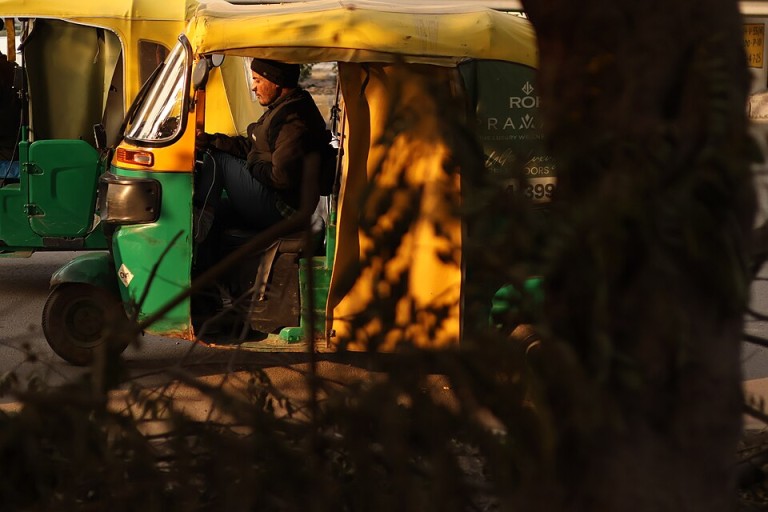
The government of Delhi has unveiled a strategic initiative aimed at phasing out petrol-driven scooters, motorcycles, and autorickshaws, as part of a comprehensive effort to curtail emissions and enhance the city’s air quality. This initiative forms a part of a broader policy that seeks to elevate the percentage of electric vehicles within the capital’s transportation network to 30% by the year 2030. The transition will commence with the registration of electric three-wheelers and small commercial vehicles starting in 2027, followed by electric scooters and motorcycles beginning in 2028.
Transport emissions have been identified as a major source of pollution in Delhi, contributing significantly to the city’s deteriorating air quality, particularly during the winter months when smog levels peak. The policy has garnered praise from environmental experts, who believe that shifting to electric two- and three-wheelers could play a pivotal role in reducing emissions and promoting public health. In alignment with this shift, the government also plans to install over 30,000 public charging stations to facilitate the transition to electric vehicles.
Despite the positive reception from environmental advocates, the policy has elicited concerns among auto-rickshaw drivers. They express apprehensions about the practical challenges of charging times, vehicle costs, maintenance, and the potential for lost income during the transition period. Additionally, some experts emphasize the need for the government to prioritize the expansion of clean public transport options and improve last-mile connectivity to support the overall transportation network.
To encourage the adoption of electric vehicles, the policy includes incentives such as tax benefits for buyers. However, critics have pointed out that the timeline may be too ambitious, potentially leaving drivers, manufacturers, and consumers unprepared for such a significant transition. The debate highlights the complexities involved in balancing environmental goals with economic and logistical considerations in one of the world’s most polluted cities.