
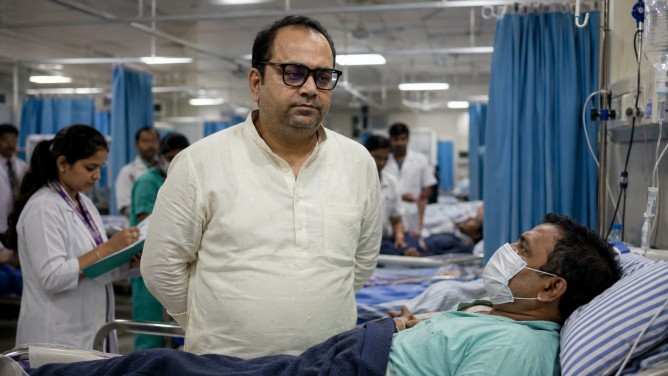
This year, Delhi has reported a total of 2,392 cases of influenza-A, among which 1,777 are H1N1 cases. In response to the increase, Health Minister Pankaj Singh convened a meeting with municipal health officers and government hospital officials to assess the situation. The minister has emphasized the importance of enhancing the screening, reporting, and monitoring systems for influenza-like illnesses and severe respiratory infections.
To ensure effective management, Singh has instructed hospitals to adhere to established protocols for treatment, patient care, and home care. Additionally, healthcare workers are receiving training to better recognize symptoms and undertake patient monitoring. Despite the rise in H1N1 cases, Singh has reassured the public that there is no cause for alarm, as Delhi is well-equipped with sufficient hospital beds, medical staff, medicines, and essential equipment.
The health minister has also advised residents to maintain good respiratory and hand hygiene, wear masks in crowded areas, avoid close contact with individuals suffering from respiratory illnesses, and seek professional medical advice rather than self-medicating. While the current numbers show an increase, they remain lower than past major outbreaks in Delhi when cases exceeded 3,000.
Health officials are actively monitoring the situation and have reinforced hospital preparedness to handle the cases. The uptick in H1N1 cases is attributed to seasonal factors, a low rate of influenza vaccination, and an increase in testing among those with flu-like symptoms, according to medical experts.