
Amidst the sweltering summer heat, many people shy away from mangoes, fearing they might contribute to weight gain and derail efforts to shed fat. However, fitness experts assert that mangoes can indeed be integrated into a healthy diet, provided they are consumed in moderation and without the addition of sugars.
The consensus among nutrition and fitness specialists is that the challenge lies not with the mango itself but with its mode of consumption. Common practices such as blending mangoes into milkshakes, adding sugar to mango-infused dishes, consuming large quantities, or pairing them with substantial meals can substantially elevate calorie intake.
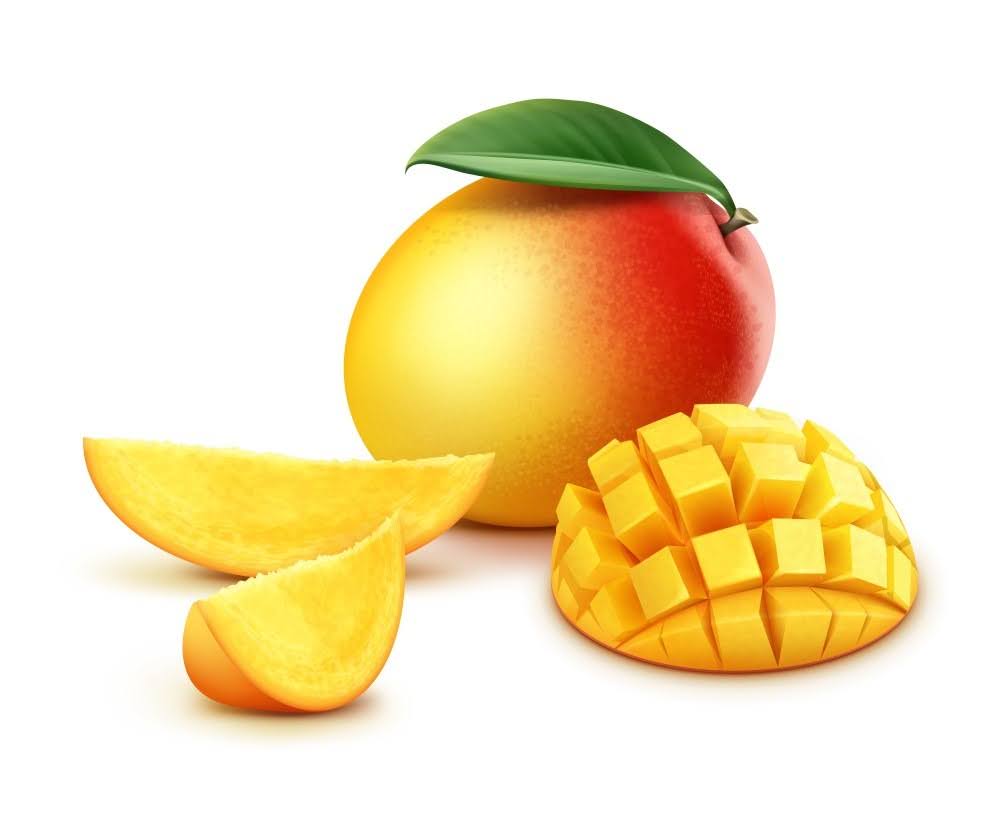
Experts suggest that enjoying mangoes in their natural form is key to harnessing their nutritional benefits while managing caloric intake. Opting for sliced mango as a standalone snack, steering clear of sugary desserts, and keeping portion sizes in check can allow individuals to savor this fruit without hindering their weight-loss objectives. A frequently cited guideline is to limit consumption to one medium-sized mango per day as a component of a balanced diet.
Health professionals further stress that successful weight management hinges on maintaining an overall calorie balance, exercising portion control, and adopting long-term consistency, rather than avoiding specific fruits. Mangoes, with their inherent sweetness, can help curb sweet cravings naturally, reducing the inclination to indulge in processed desserts and sugary snacks.
Beyond their delectable taste, mangoes offer a wealth of essential nutrients, including dietary fiber, vitamins, and antioxidants, rendering them a nutritious seasonal fruit when consumed thoughtfully. Experts conclude that there is no necessity to shun mangoes during a weight-loss journey. With mindful portions and healthy eating practices, individuals can relish this tropical delight while continuing to progress toward their fitness goals.